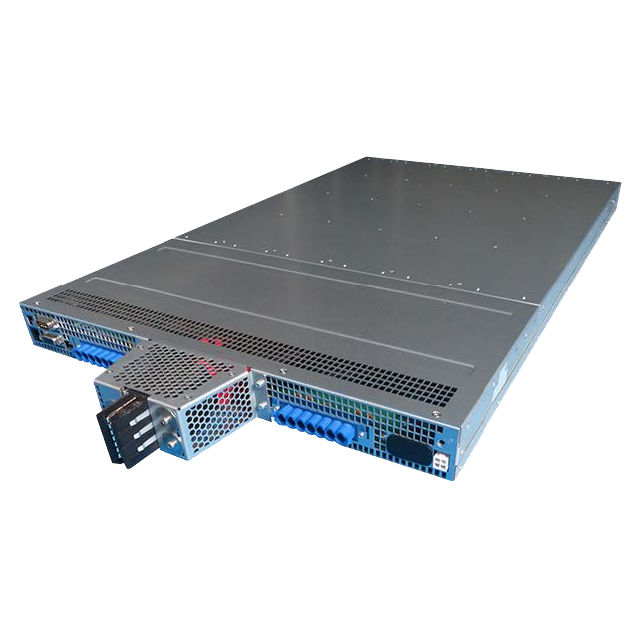
Power Supplies

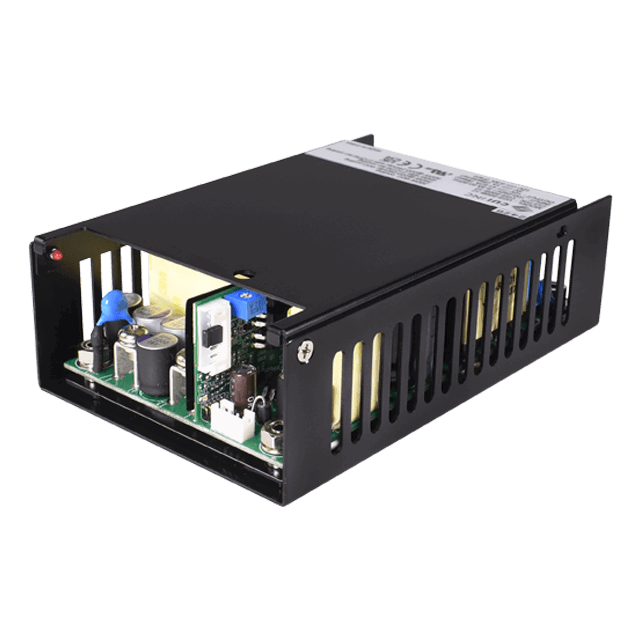
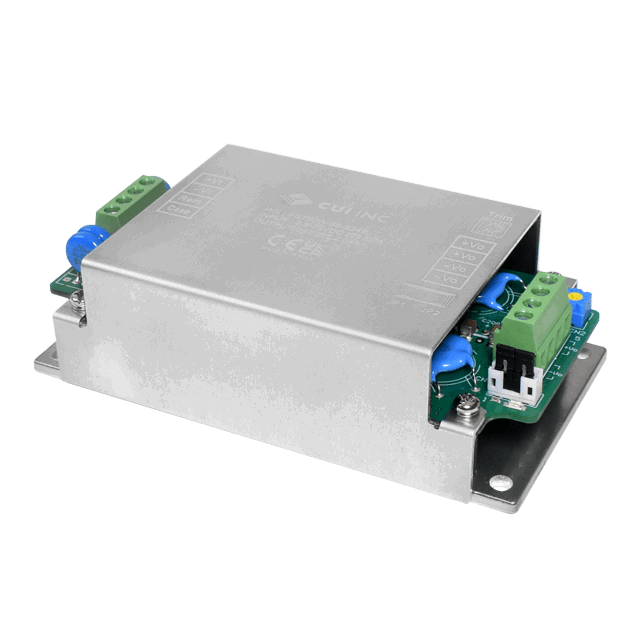
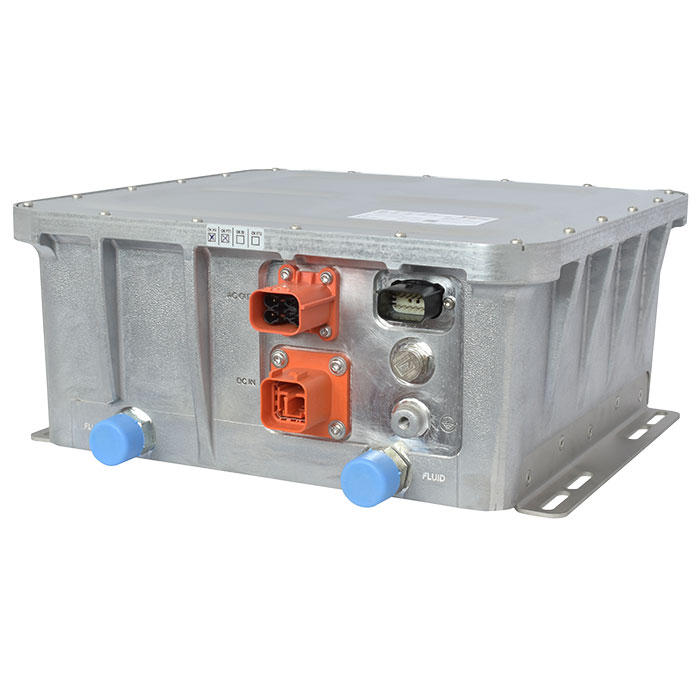
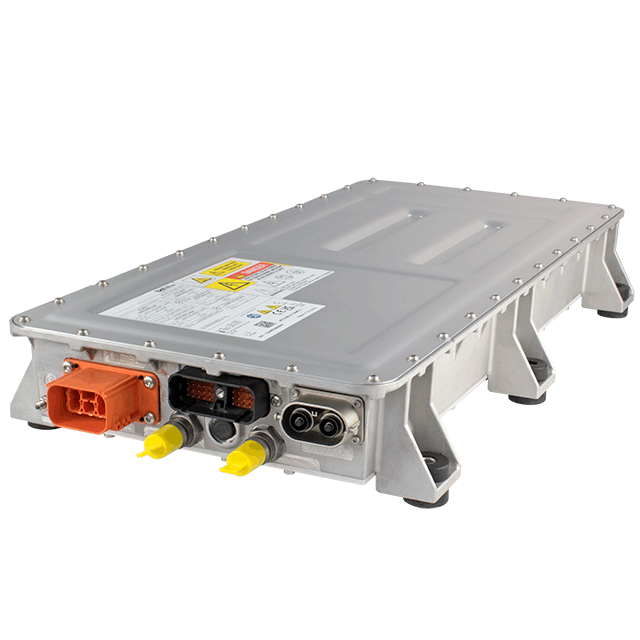
Our extensive range of power solutions is engineered to meet the challenges of today’s most demanding applications and harsh environments. From internal and external AC-DC power supplies and DC-DC converters to DC-AC inverters, battery chargers, and adapters, each solution is meticulously crafted to provide outstanding performance, reliability, and durability.

Efficient and Flexible Power Solutions

Our power supplies are designed to meet the unique needs of a wide range of industries, including rail, industrial, medical, eMobility, and telecommunications. Offering both efficiency and flexibility, our solutions are tailored to optimize performance, enhance system reliability, and support innovation across these critical sectors.

Power Supplies FAQs

How do I choose the right power supply for my application?

Start with the electrical requirements: input voltage source, required output voltage, current, and total power. From there, narrow by form factor, target efficiency, operating temperature and cooling, isolation needs, and the safety and regulatory standards your end product must meet. The combination of those factors points to the correct product family.

What safety and compliance standards apply to power supplies?

The required standards depend on the end application. IEC 62368-1 covers information and communication and audio-visual equipment, IEC 60601-1 governs medical electronics, and IEC 60335-1 applies to household products. Most products must also meet efficiency regulations and regional EMC requirements before they can be sold.

What does power supply efficiency mean, and why does it matter?

Efficiency is the ratio of output power to input power, expressed as a percentage. A higher efficiency means less energy is wasted as heat, which lowers operating cost, simplifies thermal design, and helps meet regulations. Standards such as DoE Level VI, EU 2019/1782, and CoC Tier 2 set minimum efficiency levels for external AC-DC supplies.

What is the difference between a linear and a switching power supply?

A linear power supply regulates the output by dissipating excess energy as heat across a pass element. It offers very low noise but is larger and less efficient. A switching power supply rapidly switches the input on and off and filters the result, which makes it smaller and far more efficient, at the cost of higher output noise that must be managed.

What is an isolated versus a non-isolated power supply?

In an isolated supply, the output circuit is galvanically separated from the input, normally by a transformer, so there is no direct electrical connection between the two. In a non-isolated supply, one output terminal is directly connected to one input terminal. Isolation improves safety and noise performance, while non-isolated designs can be smaller and more efficient.

What is power factor correction (PFC), and when do I need it?

Power factor correction shapes the input current so it lines up more closely with the input voltage, reducing the reactive and harmonic load placed on the mains. It improves efficiency at the system level and is commonly required for AC-DC supplies above roughly 75 watts to meet harmonic standards such as IEC 61000-3-2.

Empower Your Projects with Bel Power Supplies

At Bel, we offer one of the industry's most diverse and versatile ranges of advanced power solutions. Whether you need specific voltage outputs, custom designs, or specialized features, our team of engineers is dedicated to collaborating with you to create tailored solutions that meet your precise requirements and drive your innovation forward.
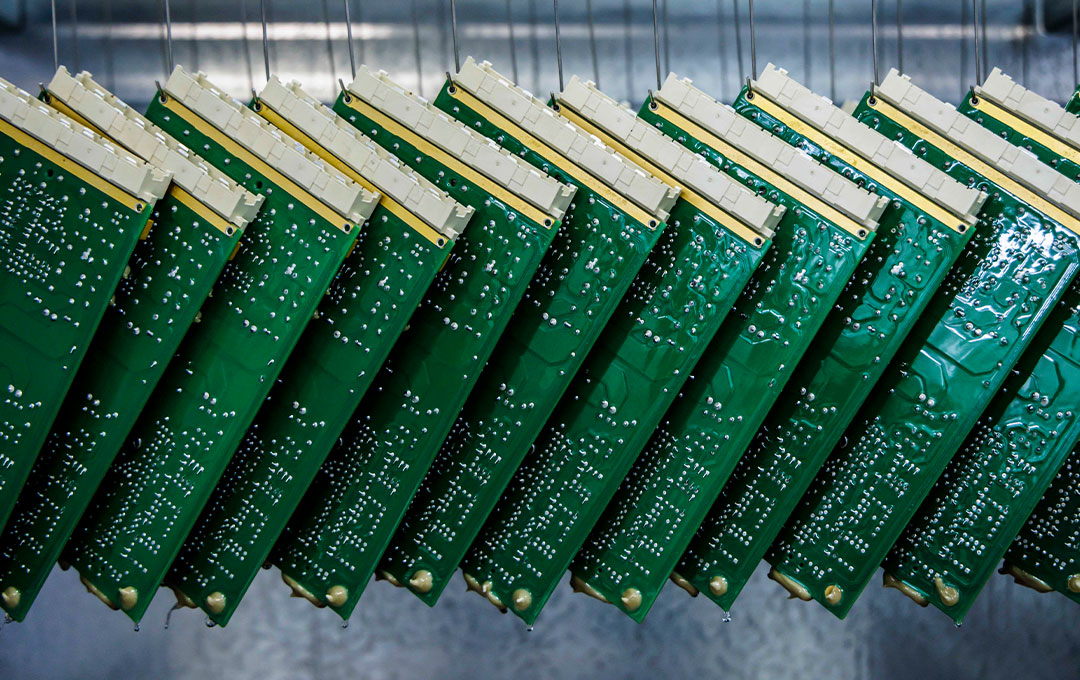
Energize Your Projects with Bel Power Supplies Image